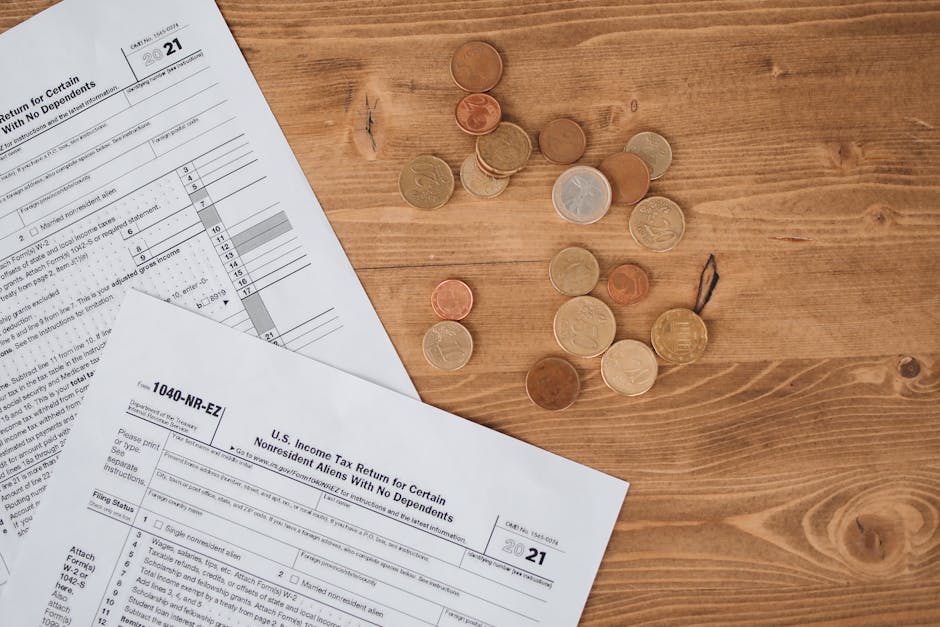
Real estate transactions do not end with signing the contract and paying the purchase price. For many buyers, that is precisely when the opportunity for real savings begins — especially if they understand the difference between real estate transfer tax, VAT, and the newer measures related to purchasing a first residential property.
Understand What You Are Actually Paying When Buying
The first mistake buyers often make is treating all costs as the same type of tax. In practice, this is not the case.
If VAT is not charged on the real estate transaction, the buyer generally pays real estate transfer tax. This tax is calculated according to the rules applicable to acquiring ownership of an apartment, house, land, or other property when the transaction is not covered by the VAT system. The Tax Administration may also verify whether the declared price is realistic and reflects the property’s market value.
On the other hand, in certain purchases — especially newly built properties sold by a seller operating within the VAT system — the buyer does not pay transfer tax because VAT is already included in the price. This distinction is crucial when planning the total cost and any potential refund.
The Biggest Opportunity for Savings: Buying Your First Property
For buyers resolving their housing needs for the first time, the most important measure is the tax refund for a first residential property. It can significantly reduce the actual cost of purchase, but only if the legal requirements are met.
The key point is that this benefit does not apply to every purchase. Authorities assess whether the property is truly the buyer’s first residential property, whether it is intended for personal residence, and whether the buyer meets the prescribed criteria. In practice, this means it is not enough simply to be a first-time buyer in a formal sense. The buyer and their immediate family members must not own or have previously owned an adequate residential property — whether in sole ownership, co-ownership, or joint ownership — in Croatia or abroad.
If the property was purchased after the prescribed date and the application was properly submitted, it may be possible to obtain:
- a refund of real estate transfer tax, when such tax has been paid
- a partial VAT refund, when VAT was charged in the purchase
For buyers, this means that when choosing between an older property and a newly built one, they should consider not only the initial property price but also the final cost after any possible refund.
Why the Contract Date and Documentation Are Crucial
With tax reliefs, details matter. It is particularly important when the purchase agreement was signed and what date appears on the invoice or proof of paid tax. If the documentation does not comply with the prescribed deadlines, the right to a refund may be denied even if the purchase qualifies as a first home.
Buyers should therefore keep all documentation from the beginning of the process:
- the purchase agreement
- proof of tax payment or an invoice showing VAT
- a land registry extract
- proof of residence
- other documents required in the procedure
Well-organized documentation often makes the difference between a successful application and unnecessary administrative delays.
Do Not Focus Only on the Property Price
Many buyers focus exclusively on the advertised price of an apartment or house. However, for tax relief purposes, the property value, price per square meter, and assessment of whether the purchase reflects market conditions are equally important.
If the declared purchase price is unusually low, the tax authority may determine the market value independently of what is stated in the contract. This affects the tax base for calculating real estate transfer tax and indirectly impacts the buyer’s expectations regarding the overall cost.
For this reason, it is wise to check local property prices before buying, especially in attractive areas, newly built developments, or luxury properties. Buyers who understand the local market can better assess whether a certain price will be accepted as realistic and whether additional questions from the tax authorities are likely.
When Buyers Most Commonly Lose the Right to Relief
The right to a tax refund is most often lost not because of the buyer’s intention, but because of overlooked conditions. Problems may arise if the buyer or an immediate family member already owns an adequate residential property, if the contract was signed outside the permitted period, or if the property was not purchased for personal residence.
Special attention should also be paid to situations where a person owns or previously owned a share in another property. Prior ownership is not automatically an obstacle in every case, but such circumstances are assessed very specifically. Before signing the contract, it is therefore useful to verify the ownership status of the property and the legal and tax status of the entire household, not only the future owner named in the agreement.
How to Approach the Purchase Strategically
Buying real estate at the final stage of the purchasing cycle requires a rational assessment. The best approach is to compare three things: the type of tax, the possibility of a refund, and the property’s actual market value.
If you are buying your first apartment or house for personal residence, it is important to calculate in advance what the cost would be when purchasing with transfer tax and what it would be when purchasing with VAT included. Only then can you realistically compare two properties that may initially appear similarly priced.
With luxury and investment-oriented properties, it is additionally important to distinguish between a property intended for personal residence and a purchase primarily made for investment purposes. Tax relief for a first residential property is designed to help buyers solve their housing needs, not to optimize an investment portfolio.
For that reason, the safest approach is to plan tax benefits before signing the contract, not afterward. When the type of transaction, buyer status, documentation, and property value are checked in advance, tax reliefs stop being an uncertain possibility and become a concrete financial advantage in the purchase of an apartment, house, or other real estate.