A Wave of Modernization and Strong Demand Define Real Estate Trends on the Adriatic Coast in 2025
Luxury villas, smart apartments, and multi-residential buildings with premium amenities are at the forefront, while investments in commercial projects like boutique hotels and marinas are also gaining momentum. The Adriatic region remains a magnet for buyers seeking quality, sustainability, and stable value growth, as the tourist destination further positions itself through year-round offerings.
What’s Driving Market Growth
A combination of strong demand, limited supply, and infrastructure investments is creating conditions for continued development. The impact of new transport solutions, stronger airline connectivity, and digital nomads choosing the coast as their base is changing the buyer profile. Today’s investor is looking for a property that combines a prestigious location, energy efficiency, and the potential for short- or long-term rental, ensuring stable returns and capital protection.
Prices, Quality, and Location Differentiation
Prices in attractive microlocations are rising faster than average, but the market is becoming increasingly segmented. A property in a well-established location with a maintained beach, marina, and year-round amenities justifies a higher price due to greater occupancy security in the off-season. At the same time, new buildings with excellent insulation, quality joinery, and certified materials command a premium over older buildings without energy improvements. Buyers are placing increasing value on documented quality—from A+ energy certificates to smart consumption management systems.
Sustainability Is No Longer a Trend—It’s the Standard
Sustainability is moving from a “nice to have” feature to a basic decision-making criterion. Projects that include solar panels, heat pumps, green roofs, and rainwater collection systems have the edge. In addition to lower utility costs, these solutions increase long-term value and liquidity upon resale. Especially on the Adriatic, where resources and the microclimate are sensitive, sustainable projects offer better adaptability to future regulations, reducing risk for the owner.
Luxury Segment: Villas, Penthouses, and Exclusive Destinations
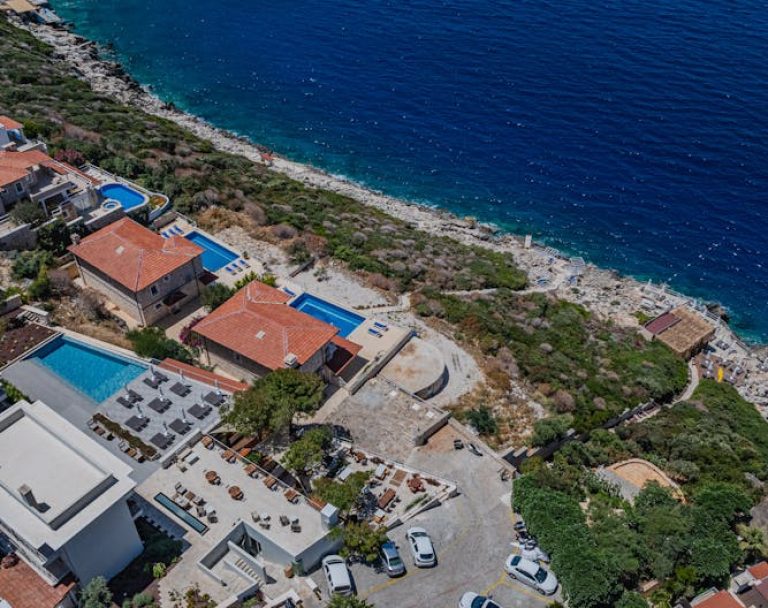
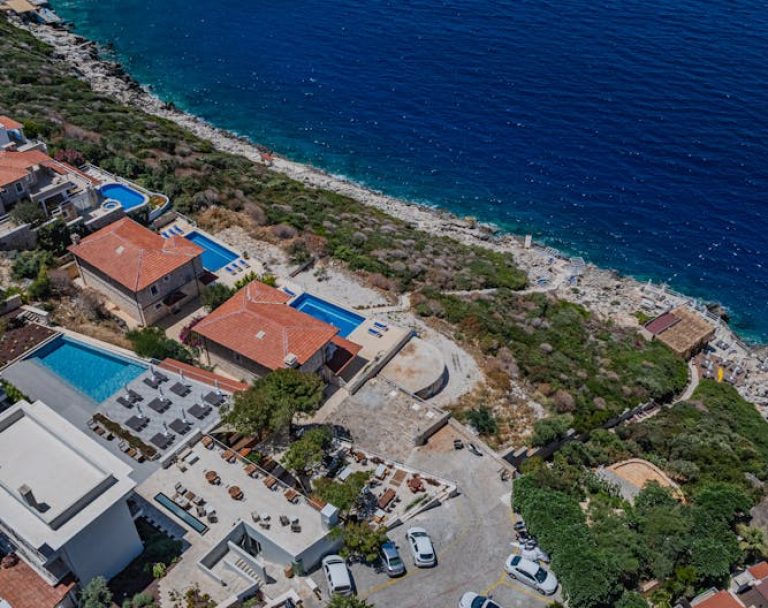
The luxury coastal sector continues its steady growth. Demand is concentrated on modern villas with private pools, sea views, and a discrete distance from tourist crowds, as well as on luxury penthouses in smaller residential projects near marinas. Best Real Estate increasingly connects domestic and international clients with investment opportunities in high-potential destinations, including global options such as Dubai, for portfolio diversification.
Commercial Projects: Hotels, Resorts, and Marinas
As the Adriatic develops beyond the peak season, interest is growing in high-quality small and mid-sized hotels, resort concepts, and marina developments. For investors, it is essential that a project offers a clearly differentiated experience—authentic architecture, wellness, and gastronomy tied to the region. Here, expert due diligence, compliance with spatial plans, and assessment of operational profitability are crucial, as true growth comes from sustainable management—not just short-term tourist momentum.
Zagreb Real Estate: How the Capital Aligns with Adriatic Trends
Although the focus is on the coast, synergy with Zagreb is becoming more pronounced. Buyers who work in the capital are increasingly purchasing secondary homes or apartments on the coast for leisure and rental, while investments in Zagreb serve as a stable foundation for their portfolios. Properties in Zagreb—especially new builds with high energy ratings and good public transport links—often help finance coastal purchases through a mix of rental income and value appreciation. This dual approach reduces risk and offers greater flexibility in shifting market conditions.
Where the Opportunities Lie in 2025
- Smaller, well-established coastal municipalities with strong infrastructure, where projects are limited by spatial plans and demand is stable.
- Premium microlocations near marinas or second-row properties close to the sea, where quality and privacy bring long-term value.
- Sustainable boutique hotels and resorts with a clear destination story, suitable for professional management.
- Urbanized zones with reconstruction potential, where older buildings are replaced by highly efficient projects.
Challenges to Anticipate
The sector is facing rising construction costs, longer delivery times for equipment, and stricter standards. Regulations are gradually shifting toward energy efficiency and coastal protection, making documentation transparency critical. Buyers are advised to check ownership, spatial plan compliance, occupancy permits, and realistic rental income projections. With professional support, risks can be minimized, and the chosen property can become a stable asset in the portfolio.
How to Recognize a High-Quality Project
Quality is evident in the details: architectural solutions that respect the terrain and landscape, premium joinery and insulation, logical space distribution, parking and storage, and the availability of services in the area. The reputation of the investor, references of contractors, and a maintenance plan for shared building areas are also key. In coastal environments, materials resistant to moisture and salt are preferable, as well as ventilation systems that preserve the interior microclimate.
Why the Adriatic Is a Safe Long-Term Destination
The Adriatic coast offers a unique combination of natural beauty, culture, and proximity to major European markets. The real estate market is mature enough to reward high-quality projects, yet dynamic enough to provide growth. When combined with a professionally curated selection of properties and a personalized approach at every stage of the purchase process, real estate on the Adriatic remains one of the strongest choices for anyone seeking a balance between lifestyle enjoyment and long-term investment.