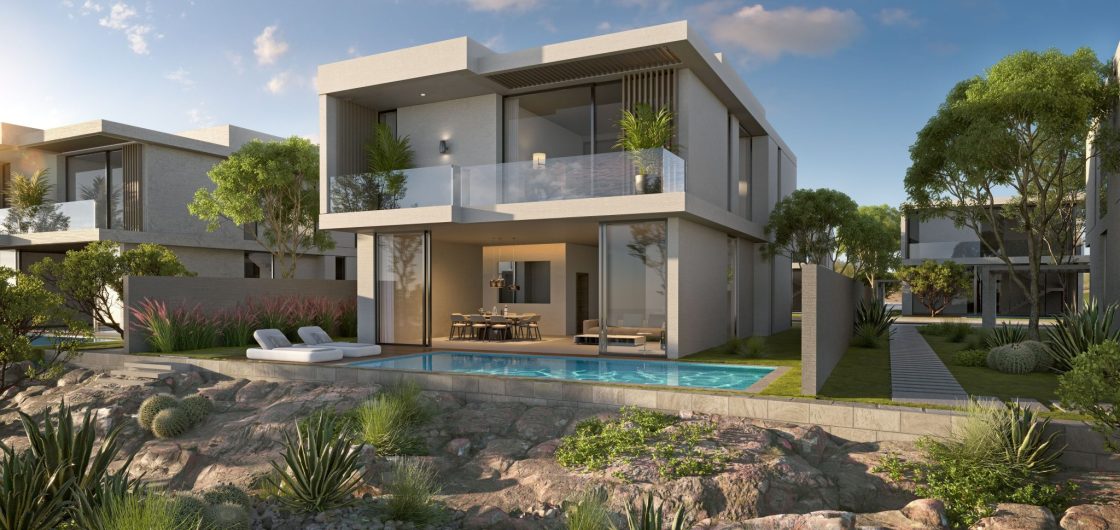
Buying luxury real estate in Croatia offers an opportunity for a quality investment, a private holiday retreat, and a place to enjoy life by the sea. A villa with a swimming pool in Istria, an elegant apartment in Split, a historic stone house on an island, or a contemporary property in a peaceful bay can serve very different purposes. However, each type of property requires thorough due diligence before signing a purchase agreement.
When it comes to exclusive real estate, price is not the only indicator of value. Sea views, privacy, beach access, construction quality, infrastructure and connectivity, and the potential for tourist rentals often have a decisive impact on the property’s long-term appeal.
Why Foreign Buyers Choose Luxury Real Estate in Croatia
Croatia combines the security of the European market with a Mediterranean lifestyle and a wide variety of locations. Buyers can choose between urban living in Split or Dubrovnik, quieter coastal towns, islands, or the inland areas of Istria, where luxury villas surrounded by greenery and vineyards are particularly sought after. The current luxury real estate market offers a range of opportunities for private buyers and investors alike.
For many foreign buyers, a luxury property is not simply a holiday home. It can serve as a family residence, a rental investment, or part of a broader real estate portfolio. Properties featuring landscaped outdoor areas, swimming pools, multiple parking spaces, a berth in a marina, or an established tourist rental business are particularly attractive.
A property’s value increases when its location offers a good balance between accessibility and privacy. A seafront villa can be exceptionally attractive, but buyers should also assess road access, proximity to an airport, road quality, access to shops and medical services, as well as future development plans for neighbouring plots.
Who Can Buy Property in Croatia?
Citizens of European Union member states, as well as citizens of Iceland, Liechtenstein, Norway and Switzerland, can generally acquire real estate under conditions that apply to Croatian citizens. Special rules apply to agricultural land, which is why the legal classification and permitted use of the land should be verified before any purchase.
Buyers from countries outside this group should first determine whether there is reciprocity between their country and Croatia. Where reciprocity exists, prior approval from the competent ministry is generally required for acquiring ownership. Reciprocity requirements can vary from one country to another and should therefore never be assumed based solely on the experience of other buyers.
How to Choose the Right Luxury Villa or Apartment
Before reviewing available properties, it is useful to clearly define your priorities. The process of buying luxury real estate is much more efficient when the buyer has already determined the preferred region, budget, property type and intended use. Choosing the right location is particularly important, as it can help preserve or increase the long-term value of the investment.
When evaluating a property, pay particular attention to:
- the actual distance from the sea and the quality of access to the coastline
- the openness of the view and the possibility of future construction in the surrounding area
- ownership status, access roads and parking spaces
- the quality of the structure, installations, insulation and equipment
- suitability for year-round living rather than seasonal use only
- income potential if the property is intended as a tourist investment
A luxury property should justify its price through qualities that remain valuable over time: a well-designed layout, high-quality materials, energy-efficient construction, privacy and functional outdoor spaces. A large floor area without a prime location and clear legal status does not necessarily make a good investment.
Property Documentation and Due Diligence
Legal due diligence is a crucial part of the purchasing process. Before making a reservation or paying a deposit, the land registry extract should be reviewed to confirm the registered owner and determine whether any mortgages, legal notes, easements or other encumbrances exist.
It is equally important to verify documentation confirming the legality of the construction, including the building permit or other relevant approvals, occupancy permit, condominium subdivision documentation when purchasing an apartment, and the energy performance certificate. Official guidance for buyers emphasizes the importance of checking both land registry records and documentation confirming the legal status of the property.
For villas and houses, the actual condition of the property should be compared with the condition recorded in the official documentation. Terraces, swimming pools, auxiliary buildings, garages and access roads should all be properly documented and legally regulated. Particular attention should be paid to properties located in historic city centres, protected areas and coastal zones, where renovations or alterations may be subject to additional requirements.
Costs of Buying Luxury Real Estate
Buyers should plan for the total acquisition cost rather than focusing solely on the agreed purchase price. For transactions that are not subject to VAT, real estate transfer tax is charged at a rate of 3% of the market value of the property. Where VAT is charged on the transfer of the property, real estate transfer tax is generally not payable.
In addition to the tax, the financial plan should include legal fees, notary costs, court fees for registration, translation costs where required, and the real estate agency commission according to the agreed terms. For properties intended for tourist rental, buyers should also account for future management costs, swimming pool maintenance, insurance, utilities and any necessary furnishing or renovation.
Purchase Agreement, Payment and Registration of Ownership
The purchase agreement should clearly define the property being purchased, the purchase price, payment deadlines, handover conditions and the seller’s obligation to enable the buyer to register ownership. For high-value properties, it is advisable to clearly specify in the agreement which furniture and equipment remain at the property, the condition of utility meters, any obligations relating to existing rental arrangements, and the deadline for the seller to remove personal belongings.
The purchase is not completed simply by signing the agreement. Ownership is acquired through registration in the land registry. The application for registration is submitted to the competent land registry court, most commonly electronically through a lawyer or notary public.
Once ownership has been registered, the new owner can arrange property insurance, management and ongoing maintenance. For buyers who do not reside permanently in Croatia, reliable local support can be particularly valuable for monitoring the villa, preparing the property for guests, maintaining gardens and swimming pools, and coordinating trusted local contractors.