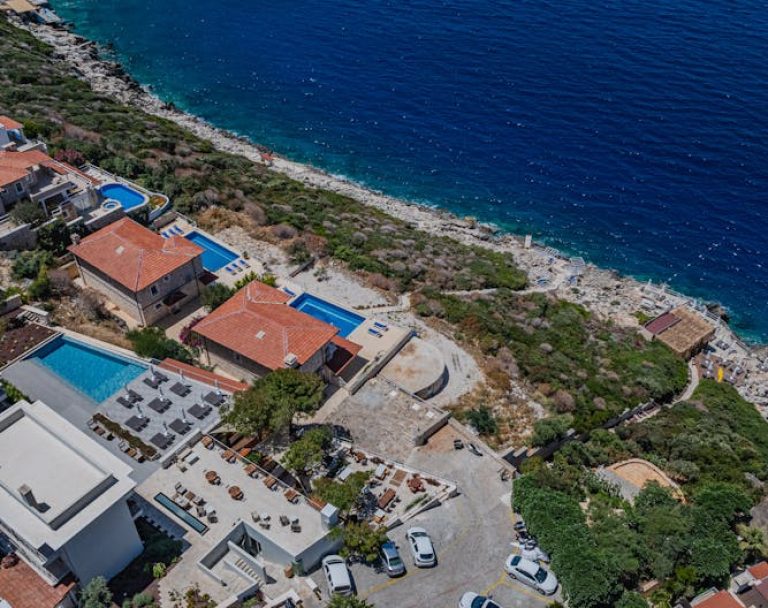
Delays in luxury real estate projects—whether a frontline seaside villa or a hilltop home with panoramic views—do not have to mean a loss of control. The key is to quickly identify the root cause, communicate clearly, and adapt the plan in order to preserve execution quality and the long-term value of the investment.
Identify the cause, not the symptom
The first step is to distinguish symptoms from true causes. Instead of focusing on “the glass façade is late,” ask why it is late: have delivery timelines changed, were specifications modified after ordering, are there access challenges at a coastal site, or conservation restrictions on a panoramic location?
- If the issue is regulatory, the priority is to accelerate documentation updates.
- If supply is the bottleneck, consider equivalent materials approved by the architect.
- If the team is overstretched, reorganize resources and introduce external support.
Replanning timelines and scope
When a project falls behind, realistic replanning protects both budget and quality. Break the work into clearly defined, incomplete tasks with measurable outcomes. The critical path must be visible so every team member understands where one task blocks another.
- Set short, weekly milestones with buffers for risks (wind, tides, delivery delays).
- Record scope changes through a formal process: each change has a deadline, cost, and task owner.
- Use visual project management tools (Gantt charts and Kanban boards) for transparent progress tracking.
Align resources and the team
Luxury construction demands precision. Coordination among contractors—stonemasons, glaziers, smart-system electricians, pool specialists—must be aligned down to the hour, especially for sensitive works along the coast or on sloped terrain.
- Introduce short daily on-site stand-up meetings and a weekly coordination meeting with the architect and site supervision.
- Assign clear ownership to every task; responsibility must be explicit and communication channels open.
- When additional capacity is needed, a pre-vetted supplier list shortens negotiation time.
Communication that reduces risk
Investors and buyers expect timely, complete information. Transparency builds trust and simplifies decision-making.
- Weekly reports with progress summaries, photos, and emerging risks.
- A clear decision log to avoid confusion around changes.
- When an element is delayed, explain the impact on schedule, budget, and quality, together with proposed solutions.
Quality control and inspections
In the premium segment, “almost good” is not good enough. The snag list should be a living document, regularly updated with remediation dates and responsible parties. Pay special attention to:
- Waterproofing of terraces and infinity pools by the sea
- Installation of aluminum and glass façades resistant to wind and salt
- Acoustics, HVAC, and smart systems in hilltop villas
- Final finishes in natural stone and wood, including protection from sun and moisture
Finance, contracts, and deadlines
Delays are also a financial matter. Well-structured contracts and cost tracking prevent escalation.
- Activate change-order clauses for every scope modification.
- Revise advance payments and payment schedules in line with the updated plan.
- If contractual penalties exist, ensure that any extension of time is properly documented and approved.
Technology and progress tracking
Digital tools reduce uncertainty and make progress visible.
- 360° photo documentation and drones provide independent records, especially for large estates.
- BIM and model coordination help prevent clashes between systems before they become costly issues.
- A centralized document repository ensures everyone works from the latest drawings and specifications.
Phased delivery and temporary solutions
If full completion is unrealistic within the original timeline, consider phased handover: complete priority zones (e.g., master suite, main living area, outdoor terrace) while secondary areas are scheduled for a later phase. Temporary solutions—such as provisional fencing or protective coatings—can enable functional use while maintaining safety and standards.
Preventing future delays
The best remedy for delays is thorough preparation.
- Finalize design details before ordering bespoke materials.
- Build in time buffers for seasonal conditions and specific logistical challenges on the coast or in hilly areas.
- Identify risk points (permits, supply chains, specialized works) and define a Plan B before construction begins.
Where experience makes the difference
In the luxury real estate market, the experience of a team that understands both coastal microclimates and the demands of building on steep terrain is crucial. Professionals who regularly coordinate architects, site supervision, contractors, and legal advisors know when to revise a deadline and when to redesign a detail to preserve aesthetics and performance.
In such situations, Best Real Estate conducts due diligence on suppliers and aligns the entire process from planning to delivery—both on domestic Adriatic projects, such as in Zadar, and in international destinations like Dubai. The result is controlled project management, less improvisation, and a stronger focus on what makes frontline seaside villas and hilltop homes truly stand out: flawless execution, exceptional living comfort, and long-term value.
Get smarter responses, upload files and images, and more.