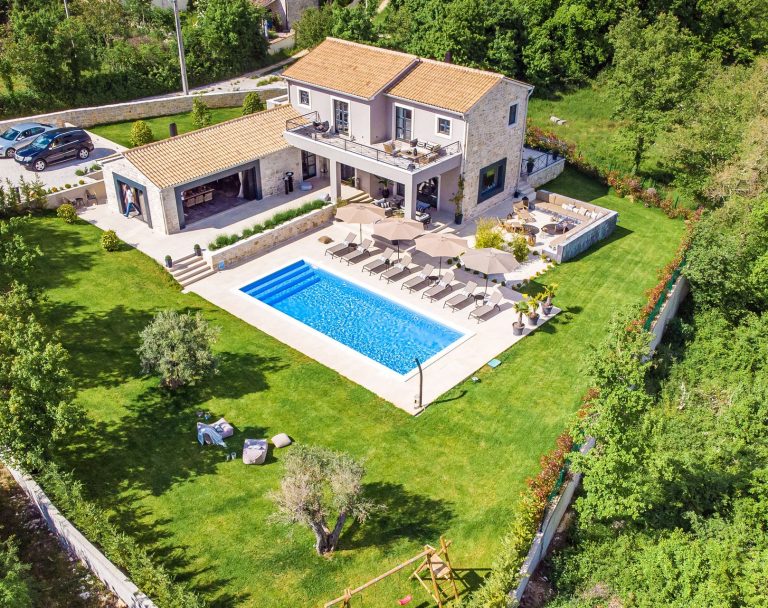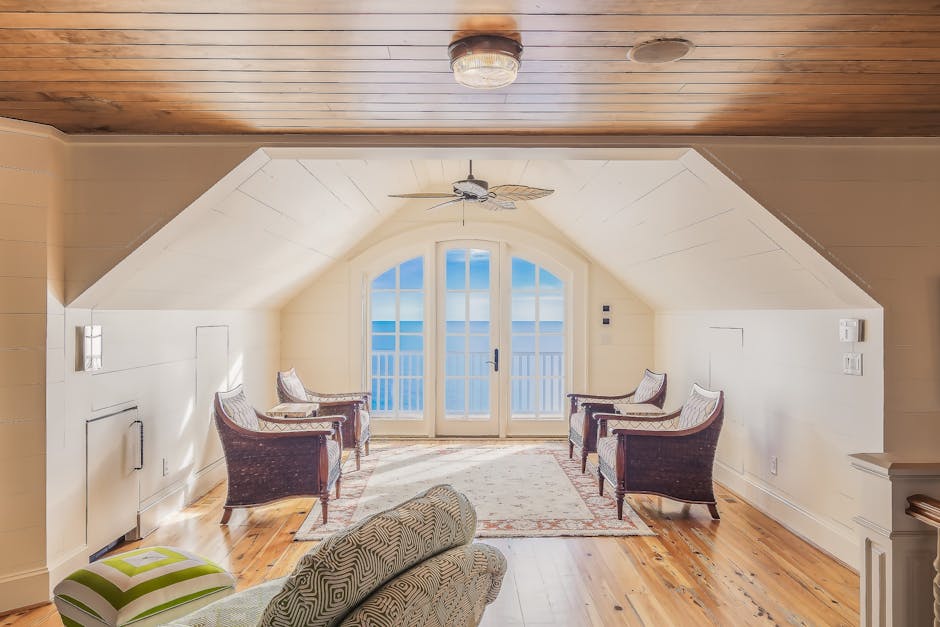
Purchasing a luxury property—whether it is a beachfront villa in the first row to the sea or a house on a hill with panoramic views—requires a clearly defined budget, an understanding of available financing sources, and timely preparation of documentation. A well-structured financing plan reduces risk and increases security and speed throughout the entire purchase process.
Budget assessment and total costs
The first step is a realistic assessment of purchasing power and the target price range of the property. The following should be taken into account:
- purchase price and potential negotiations
- costs of advisory services, valuation, notary fees, and land registry registration
- tax liabilities (real estate transfer tax for resale properties or VAT for new developments, depending on the seller’s status)
- insurance, potential renovation, and initial furnishing
For luxury properties in Croatia, especially along the Adriatic coast, buyers often use a combination of equity and loans. The goal is to achieve a sustainable monthly obligation in relation to income and the intended use (personal use, rental, or long-term real estate investment).
Financing options
Residential and mortgage loans in Croatia
Banks typically offer loans in euros with fixed or variable interest rates linked to a reference rate. For luxury properties in prime locations, the quality of the valuation is crucial, as the loan-to-value ratio (LTV) depends on the market value, not necessarily the asking price. Foreign buyers can obtain financing in Croatia, but must meet additional requirements regarding income verification and residency status.
International and private banking
Buyers with international portfolios often use private banking solutions: Lombard loans secured by portfolio assets, refinancing through their home bank, or credit lines within a holding or family company. Such structures can be faster and more flexible, especially when the purchase is linked to larger investments such as boutique hotels or marinas.
Bridge loans and mixed structures
When a buyer is simultaneously selling an existing property, a bridge loan can cover the period until proceeds are received. A mixed financing model is also common: part equity for the down payment and taxes, a loan for the main purchase price, and a separate credit line for interior fit-out or renovation.
Documentation and bank requirements
To speed up loan approval, prepare the following:
- valid identification document and personal identification number (OIB)
- proof of income and source of funds (bank statements, employment confirmations, tax returns)
- preliminary sales agreement or letter of intent with clearly defined price and timelines
- title deed, land registry extract, and proof of legal status (building or occupancy permit)
- independent property valuation by a licensed appraiser
Banks will assess creditworthiness, existing encumbrances on the property, and insurance requirements. The more complete the documentation, the shorter the approval timeline.
Valuation and LTV
Luxury properties in the first row to the sea or on hills with exceptional views carry a location premium, but banks rely on comparable transactions and conservative methodologies. If the valuation comes in below the purchase price, the difference must be covered with equity. This is more common with unique villas, where the market is thinner and standard comparisons are more difficult.
House on a hill with panoramic view
Tax and legal aspects affecting the price
Tax costs depend on the property’s status (new build subject to VAT or resale property subject to transfer tax) and are payable regardless of financing. Legal due diligence includes verification of ownership, encumbrances, plot boundaries, and compliance with zoning regulations. Along the coast in particular, it is essential to clarify the status of maritime domain, sea access, legality of auxiliary structures, and any concessions. Banks will condition loan disbursement on clear title.
Specifics for investors
For larger projects—luxury rental villas, boutique hotels, or marinas—an SPV structure (special purpose vehicle) combined with project financing is often used. Key indicators include feasibility studies, revenue projections, operator agreements, and the debt service coverage ratio (DSCR). In practice, real estate investments at this level also require reserve capital for unforeseen works, seasonality, and regulatory timelines.
Timeline of the purchase and loan process
- loan pre-approval: after basic analysis of income and liabilities
- due diligence and valuation: depending on documentation availability and appraiser scheduling
- issuance of loan offer and agreements: after positive risk assessment
- loan disbursement: upon fulfillment of conditions (mortgage registration, insurance policies, tax confirmations)
Typically, the purchase of a luxury property takes longer than standard transactions due to more complex documentation and detailed negotiations.
Managing interest rate and currency risk
For buyers with income in foreign currencies, consider aligning the loan currency with income or using hedging instruments. The interest structure (fixed or variable) should reflect the investment horizon: fixed rates provide predictability, while variable rates may offer potential savings but carry the risk of rising costs. Pay attention to early repayment fees and charges for changes in loan terms.
Role of the real estate agent and coordination
An experienced real estate agent with a premium Adriatic portfolio helps align price, legal terms, and financing. Through a network of vetted appraisers, lawyers, and bankers, it becomes easier to organize document reviews, schedule valuations on time, and prepare a preliminary agreement with clearly defined deposit amounts, deadlines, and disbursement conditions. For exclusive villas and high-value properties, professional coordination is often decisive for a secure and efficient transaction without unpleasant surprises.